AI as Your Research Assistant
Course Overview
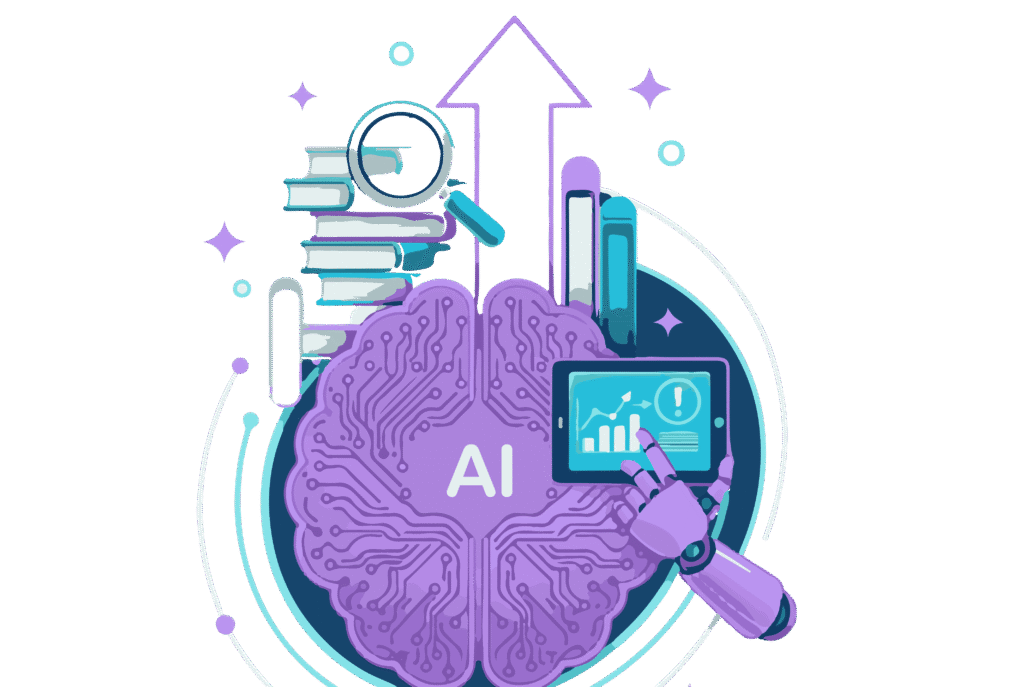
Academic research is often bottlenecked by manual literature reviews, data overload, and “writer’s block.” This course transforms Generative AI from a novelty into a rigorous research partner. It moves beyond basic interaction to teach a methodological approach: using AI to synthesize vast amounts of literature, visualize citation networks, and structure complex arguments. Participants will learn to treat AI not as an author, but as a tireless research assistant that accelerates the path from hypothesis to publication while maintaining strict academic integrity.
Who Should Attend?
- Academic Faculty looking to integrate new digital tools into their methodology.
- R&D Professionals who need to conduct rapid, evidence-based literature reviews.
- Basic understanding of the scientific method and academic writing standards.
- Familiarity with citation principles (APA/MLA/Chicago).
Course Details
Instructor
Mode
Days / Hours
Course Code
Learning Objectives
- Evaluate the capabilities and ethical limits of major Generative AI models (GPT-4, Claude, Gemini) in an academic context.
- Execute deep literature mapping and consensus verification using specialized tools like ResearchRabbit and Consensus.app.
- Construct advanced prompt chains (Chain-of-Thought, Persona Patterns) to simulate peer reviews and refine arguments.
- Formulate a “Grounded Knowledge Base” using NotebookLM to organize citations and prevent hallucinations.
Course Content
Module 1: Foundations, Prompting & Ethics
Module 2: Prompt Patterns for Research
Module 3: Advanced Literature Review & Discovery
Module 4: Drafting, Structuring & Synthesis
What’s Included
4.5 Hours of On-Demand Video Lessons
3 Downloadable Written Guides
Interactive Quizzes & Assignments
5 Practice Datasets and AI Prompts
Certificate of Completion
Prerequisites
-
No prior coding experience required
-
Basic understanding of computers and internet usage
-
A free or trial account on ChatGPT, Midjourney, or other AI platforms (optional)
-
Curiosity and a desire to learn how AI is shaping the world
Launch Yourself Into The Future.